Best Large-Cap Growth Stocks for Long-Term Investing
1. Introduction: What This Guide Will Help You Understand
Large-cap growth stocks are shares of very large companies that investors believe can grow their sales, earnings, cash flow, or market share faster than the average company. These are often well-known businesses: technology platforms, semiconductor leaders, cloud companies, payment networks, premium consumer brands, and innovative healthcare firms.
For a beginner, the appeal is easy to understand. Instead of trying to find tiny unknown companies, you study businesses that already have scale, customers, brand power, and financial strength. The goal is not to get rich overnight. The goal is to own high-quality companies that may become more valuable over many years as their profits compound.
But large-cap growth investing is not risk-free. A famous company can still become overpriced. A fast-growing business can slow down. A popular stock can fall sharply when expectations are too high. The best long-term investors do not simply buy a stock because everyone is talking about it. They ask: Is the business still growing? Is it profitable? Does it have a durable advantage? Is the price reasonable for the future growth? And can I hold it through volatility?
Quick answer
A large-cap growth stock is a big, established company that still has room to grow faster than the broader market. The best ones combine size, growth, profitability, and a strong competitive advantage.
2. What Does “Large-Cap Growth Stock” Mean?
The term has two parts: “large-cap” and “growth.” Market cap means market capitalization, or the stock market value of a company. A company with a large market cap is usually a mature, widely followed business. “Growth” means investors expect the company to increase revenue, earnings, cash flow, or addressable market faster than many peers.
Morningstar describes large-growth portfolios as investing in big U.S. companies that are projected to grow faster than other large-cap stocks, with large-cap stocks generally in the top 70% of the U.S. equity market by capitalization. This is useful because it separates large-growth investing from small-cap speculation and from slower-growing value stocks.
| Term | Beginner Meaning | Why It Matters |
|---|---|---|
| Large-cap | A very large publicly traded company. | Large companies often have stronger access to capital, more customers, deeper management teams, and more analyst coverage. |
| Growth | A company expected to grow faster than the average business. | Growth can drive long-term stock returns, but high expectations can also create valuation risk. |
| Long-term investing | Holding for years, not days or weeks. | Time gives strong businesses a chance to compound, but investors must tolerate market declines. |
| Moat | A durable competitive advantage. | A moat can protect profits from competitors. Examples include network effects, brand power, switching costs, scale, patents, and data advantages. |
| Valuation | The price you pay compared with earnings, sales, cash flow, or future growth. | A great company can still be a poor investment if the entry price is far too high. |
3. Current Market Context: Why These Stocks Get So Much Attention
In 2026, large-cap growth investing is still heavily shaped by artificial intelligence, cloud computing, semiconductors, digital advertising, e-commerce, software, payments, and healthcare innovation. Many of the largest growth-oriented indexes and ETFs are concentrated in a small number of mega-cap companies. For example, Vanguard Growth ETF holding data recently showed NVIDIA, Apple, Microsoft, Alphabet, Broadcom, Amazon, Meta, Tesla, Eli Lilly, AMD, Visa, and other large firms among key holdings. This concentration shows where investors see growth, but it also reminds beginners not to confuse popularity with safety.
A practical investor should understand both sides. AI infrastructure spending, cloud demand, digital services, and medical innovation can support long runways for growth. At the same time, large technology stocks can fall quickly when investors worry about valuation, competition, regulation, or whether expensive AI investments will produce enough future profits.
| Growth Theme | Companies Often Studied | Long-Term Driver | Key Risk |
|---|---|---|---|
| AI chips and infrastructure | NVIDIA, Broadcom, AMD, TSMC | Demand for computing power, data centers, AI models, networking, and accelerators. | Cyclicality, customer concentration, export controls, very high expectations. |
| Cloud and enterprise software | Microsoft, Amazon, Alphabet, Oracle, ServiceNow | Businesses keep moving workloads, data, and AI tools to cloud platforms. | Price competition, margin pressure, capex intensity, slower enterprise spending. |
| Digital advertising and platforms | Alphabet, Meta, Amazon | Large user bases, ad targeting, commerce data, and AI-enhanced ads. | Regulation, privacy changes, platform disruption, ad market cycles. |
| Consumer ecosystems | Apple, Amazon, Costco | Brand loyalty, recurring services, membership models, and scale. | Saturation, weak consumer demand, supply chain pressure, margin risk. |
| Healthcare innovation | Eli Lilly, Novo Nordisk, Intuitive Surgical | Aging populations, obesity drugs, diabetes care, medical devices, and biotech innovation. | Patent cliffs, pricing pressure, clinical or regulatory setbacks. |
| Payments and financial networks | Visa, Mastercard | Long-term shift from cash to digital payments and global transaction growth. | Regulation, fintech competition, consumer spending cycles. |
Use the following scorecard to assess whether a company combines durable growth with an acceptable price and risk profile.
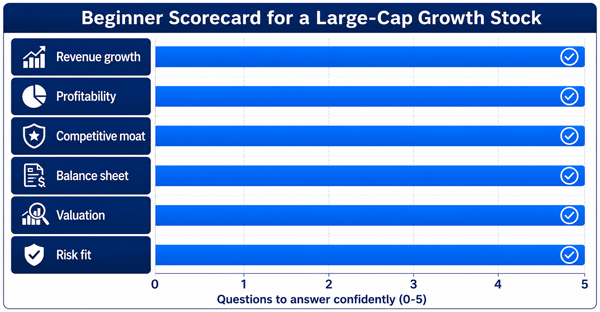
Figure 1. Beginner scorecard for reviewing a large-cap growth stock.
4. Best Large-Cap Growth Stocks to Study for Long-Term Investing
The word “best” should be used carefully. No analyst can guarantee which stocks will win over the next decade. A better approach is to build a watchlist of high-quality large-cap growth companies, then study them using a disciplined checklist. The companies below are examples of widely followed large-cap growth businesses, not a command to buy. Prices and valuations change daily.
| Stock | Business Area | Why Investors Study It | Main Risks | Beginner Takeaway |
|---|---|---|---|---|
| NVIDIA (NVDA) | AI semiconductors, accelerated computing, data centers | Dominant position in AI GPUs and software ecosystem; strong demand from cloud and enterprise AI. | AI spending slowdown, competition, export controls, valuation risk. | Best for investors who understand semiconductor cycles and can tolerate volatility. |
| Microsoft (MSFT) | Cloud, software, AI, enterprise productivity | Recurring revenue, Azure cloud, Office, LinkedIn, GitHub, AI integration across products. | Cloud competition, AI capex, regulatory scrutiny, enterprise budget cycles. | A classic “quality growth” example because of diversified revenue streams. |
| Apple (AAPL) | Premium devices, services, consumer ecosystem | Brand loyalty, installed base, services revenue, buybacks, high cash generation. | iPhone maturity, hardware cycles, app store regulation, valuation. | Useful for studying how ecosystem power can support long-term cash flow. |
| Alphabet (GOOGL/GOOG) | Search, YouTube, cloud, AI, digital ads | Search dominance, YouTube scale, AI research, cloud growth, strong balance sheet. | AI disruption to search, antitrust risk, ad cyclicality, talent competition. | Strong business, but beginners must watch regulatory and AI-search changes. |
| Amazon (AMZN) | E-commerce, cloud, advertising, logistics | AWS cloud, retail scale, ad growth, Prime ecosystem, operating leverage. | Low retail margins, cloud competition, capex intensity, consumer cycles. | A good example of a company where cash flow matters more than headline earnings. |
| Broadcom (AVGO) | Semiconductors, networking, infrastructure software | AI networking, custom silicon, enterprise software, high cash generation. | Integration risk, customer concentration, semiconductor cycles, valuation. | A growth-and-cash-flow hybrid often studied by AI infrastructure investors. |
| Meta Platforms (META) | Social platforms, digital ads, AI, messaging | Massive user base, ad engine, AI ranking tools, WhatsApp monetization potential. | Metaverse spending, privacy regulation, platform competition, ad cycles. | Good example of a profitable platform business with reinvestment risk. |
| Eli Lilly (LLY) | Pharmaceuticals, diabetes, obesity, biotech innovation | Strong demand for diabetes and obesity treatments; deep drug pipeline. | Drug pricing, manufacturing capacity, clinical setbacks, patent risk. | Shows that growth investing is not only about technology stocks. |
| Visa (V) | Digital payments network | Global payments growth, high margins, network effects, cashless transactions. | Regulatory fees, fintech competition, macro spending slowdown. | A steadier growth compounder, often less exciting but financially strong. |
| Costco (COST) | Membership retail | Loyal members, high renewal rates, scale, pricing trust, recurring membership fees. | Premium valuation, retail margins, consumer pressure. | A practical example of “boring growth” through membership economics. |
5. Live Snapshot Examples: Price, Market Cap, and P/E Are Only Starting Points
Below is an illustrative snapshot from market data checked around June 22, 2026. Do not rely on these numbers after publication without updating them. The point is to show how beginners should compare size, valuation, and profitability signals side by side.
| Ticker | Approx. Price | Approx. Market Cap | Approx. P/E | What a Beginner Should Notice |
|---|---|---|---|---|
| NVDA | $207.84 | $5.07T | 31.6 | Huge market cap and strong AI expectations; the business must keep growing to justify investor optimism. |
| MSFT | $369.37 | $2.75T | 22.0 | Lower P/E than several megacap peers, diversified cash flows, but AI/cloud spending still matters. |
| AAPL | $297.36 | $4.38T | 36.0 | Powerful brand and cash generation, but valuation depends on services growth and device demand. |
| GOOGL | $348.81 | $4.23T | 26.6 | Strong search/ad cash flow, but AI disruption and regulation are key issues. |
| AMZN | $233.28 | $2.54T | 27.9 | Investors watch AWS, advertising, retail margins, and free cash flow. |
| META | $564.76 | $1.45T | 20.5 | Highly profitable advertising business, but spending discipline and regulation matter. |
| LLY | $1,104.45 | $990B | 39.2 | Healthcare growth leader; valuation depends on drug demand and pipeline execution. |
| V | $326.57 | $670B | 19.0 | Digital payments compounder; watch regulation and transaction volume. |
Actionable rule
Never buy a stock only because the company is famous. First compare growth, profitability, debt, valuation, competition, and how much of your portfolio you are willing to risk.
6. How Large-Cap Growth Investing Works
A stock price is not just about what a company earns today. It reflects what investors believe the company may earn in the future. Growth stocks often trade at higher valuations because the market expects faster future growth. If the company delivers, the stock can compound. If growth disappoints, the stock can fall even if the company remains profitable.
Think of it like buying a high-quality rental property. If the property is in a growing area and rent keeps rising, paying a higher price may still work out. But if you overpay and rent growth slows, your return may be weak. Large-cap growth stocks are similar: quality matters, growth matters, and price matters.
| Investor Question | What to Look For | Why It Matters |
|---|---|---|
| Is revenue growing? | Consistent sales growth over several years. | Revenue is the fuel of growth investing. |
| Is profit growing too? | Operating income, net income, free cash flow. | Revenue without profit can become dangerous. |
| Is growth durable? | Moat, market size, product leadership, switching costs. | Durable growth deserves a higher valuation than temporary growth. |
| Is the balance sheet safe? | Cash, debt, interest expense, credit strength. | Strong finances help companies survive recessions and invest through downturns. |
| Is valuation reasonable? | P/E, P/S, PEG, free cash flow yield, comparison to history. | Even a great company can be a poor investment at the wrong price. |
| Can I hold through volatility? | Expected drawdowns, position size, time horizon. | Growth stocks can fall 20%-50% during corrections. |
7. A Simple Beginner Process for Choosing Large-Cap Growth Stocks
Beginners often start with a list of popular stocks and then ask, “Which one should I buy?” A better process is to move from broad screening to deeper research. Use this five-step method:
- Start with a trusted universe: S&P 500 Growth Index, Russell 1000 Growth, Nasdaq-100, or holdings of large growth ETFs such as VUG, IWF, SCHG, QQQM, or ILCG.
- Remove weak candidates: avoid companies with unclear profitability, shrinking revenue, excessive debt, or a business you cannot explain in one paragraph.
- Compare growth quality: look for companies growing revenue and free cash flow, not just hype or one-time gains.
- Check valuation: compare P/E, price-to-sales, free cash flow yield, and valuation history. Avoid assuming a stock is cheap just because the price recently fell.
- Decide position size: even strong stocks should not dominate a beginner portfolio unless the investor truly understands the risk.
| Beginner Mistake | Better Practice |
|---|---|
| Buying because a stock is trending on social media. | Read earnings reports, investor presentations, and trusted analysis before acting. |
| Putting too much money into one stock. | Use position limits, such as 3%-5% for individual stocks, depending on risk tolerance. |
| Ignoring valuation because the company is excellent. | Estimate whether future growth can justify today’s price. |
| Selling only because the stock fell. | Check whether the business thesis changed. Price volatility alone is not always a reason to sell. |
| Confusing one-year performance with long-term quality. | Study 5- to 10-year revenue, margin, cash flow, and market share trends. |
8. Individual Stocks vs Growth ETFs: Which Is Better for Beginners?
Many beginners are better served by using a growth ETF as the core of their growth exposure, then adding a small number of individual stocks only after they learn how to research companies. An ETF spreads money across many companies, which can reduce single-stock risk. The trade-off is that an ETF also owns companies you may not personally choose.
| Option | Pros | Cons | Best Use |
|---|---|---|---|
| Individual large-cap growth stocks | Higher upside if you pick strong winners; more control; easier to learn specific businesses. | Higher single-company risk; requires research; emotional decisions are harder. | Satellite positions around a diversified core portfolio. |
| Large-cap growth ETF | Instant diversification; lower research burden; easy to buy through many online brokerage accounts. | Can be concentrated in mega-cap tech; less control over holdings; still volatile. | Core growth allocation for beginners and long-term investors. |
| Broad-market index fund | Maximum simplicity; includes growth and value; lower style risk. | Less targeted exposure to high-growth companies. | Foundation for retirement investing and long-term wealth building. |
The following allocation is an illustrative example, not a recommendation. It shows how a beginner might avoid concentrating all investment capital in a few popular growth stocks.
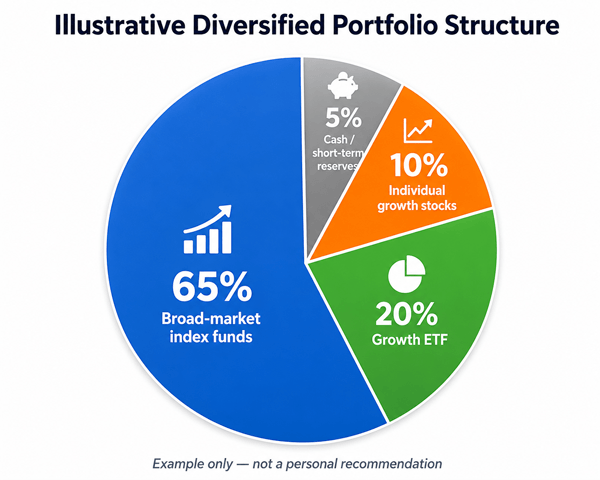
Figure 2. Illustrative diversified portfolio structure.
9. How to Know If a Growth Stock Is Too Expensive
A high valuation is not automatically bad. Some businesses deserve premium valuations because they have high margins, durable growth, strong balance sheets, and large future markets. The danger is paying a price that assumes everything will go perfectly.
| Metric | Simple Meaning | How to Use It |
|---|---|---|
| P/E ratio | Price compared with earnings. | Compare with the company’s own history, peers, and expected growth rate. |
| Forward P/E | Price compared with expected future earnings. | Useful for growth companies, but analyst forecasts can be wrong. |
| Price-to-sales | Price compared with revenue. | Helpful when earnings are depressed, but dangerous if margins never improve. |
| Free cash flow yield | Free cash flow compared with market value. | Shows how much real cash the business produces relative to price. |
| PEG ratio | P/E adjusted for growth rate. | A rough shortcut; works poorly if growth estimates are unrealistic. |
| Gross and operating margins | How profitable the business model is. | Rising margins can support valuation; falling margins can signal pressure. |
Practical example: imagine two companies both trade at a P/E of 35. Company A is growing earnings 25% annually, has high free cash flow, no major debt problem, and a clear moat. Company B is growing earnings 5%, has falling margins, and faces strong competition. The same P/E ratio means very different things. Valuation must always be judged alongside growth quality.
10. Main Risks Beginners Must Understand
10.1 Valuation risk
A great business can produce poor returns if the investor pays too much. When expectations are extreme, even good earnings may not be enough.
10.2 Concentration risk
Large-cap growth ETFs and portfolios can become heavily concentrated in a few mega-cap technology stocks. This can increase volatility.
10.3 Business model risk
Technology changes, regulation, competition, and customer behavior can hurt even dominant companies.
10.4 Interest-rate risk
Growth stocks often depend on future earnings. Higher interest rates can make those future earnings less valuable in today’s dollars.
10.5 Emotional risk
The biggest risk for many beginners is not the stock itself. It is panic selling during a decline or chasing after a rally without research.
Honest investing practice
Do not present any stock as a “guaranteed winner.” Avoid exaggerated claims, fake urgency, undisclosed promotions, and one-sided performance stories. A trustworthy article explains both upside and risk.
11. Action Plan: How a Beginner Can Start Safely
11.1 Define your time horizon
Large-cap growth stocks are best suited for money you do not need for several years. If you need the money soon, short-term volatility can become a serious problem.
11.2 Build a core portfolio first
Before buying individual stocks, many investors build a base with broad index funds, retirement accounts, emergency savings, and a sensible asset allocation.
11.3 Use a watchlist, not impulse buying
Track 10-20 companies. Read earnings summaries, listen to investor calls, and note why each company is on your list.
11.4 Buy gradually
Dollar-cost averaging can reduce the emotional pressure of trying to pick the perfect entry price.
11.5 Review quarterly, not daily
Daily price movements create noise. Quarterly business updates are more useful for long-term investors.
11.6 Rebalance when needed
If one stock becomes too large, trimming can reduce risk even if the company is still excellent.
12. Practical Portfolio Examples
| Investor Type | Possible Structure | Why It Works | What to Watch |
|---|---|---|---|
| New beginner | 80%-90% broad index funds, 10%-20% growth ETF or selected large-cap growth stocks. | Keeps the portfolio diversified while allowing learning. | Avoid chasing performance or adding too many overlapping tech holdings. |
| Growth-focused long-term investor | 50%-70% broad/core funds, 20%-35% growth ETF, 5%-15% individual stocks. | Balances growth exposure with diversification. | Growth-heavy portfolios can underperform value/dividend stocks for long periods. |
| Experienced stock picker | Core funds plus a focused watchlist of researched large-cap growth stocks. | Allows conviction investing while keeping a safety base. | Requires discipline, valuation work, and willingness to admit mistakes. |
13. What Real Investors Often Learn the Hard Way
Investor experiences tend to repeat across market cycles. Beginners often say their first big lesson was that buying a high-quality company is easier than holding it through a 30% decline. Others learn that a stock can keep rising after they sell because it looked “expensive,” or keep falling after they buy because it looked “cheap.” The practical lesson is to write down your thesis before buying.
| Common Experience | Lesson |
|---|---|
| “I bought after a huge rally and then panicked during the drop.” | Do not buy only because of recent performance. Decide position size before buying. |
| “I sold a great company because of a bad quarter.” | Separate temporary business weakness from permanent thesis damage. |
| “My ETF and individual stocks owned the same companies.” | Check overlap. Many growth ETFs already hold NVIDIA, Apple, Microsoft, Alphabet, Amazon, Meta, and other mega-caps. |
| “I focused on revenue but ignored free cash flow.” | Growth quality matters. Revenue growth without cash generation can disappoint. |
| “I had no sell rule.” | Create rules: thesis broken, valuation extreme, position too large, or better opportunity. |
14. FAQ: Best Large-Cap Growth Stocks for Long-Term Investing
14.1 Are large-cap growth stocks good for beginners?
They can be, but beginners should usually start with diversified funds before buying individual stocks. Large-cap companies are easier to research than small speculative companies, but they can still be volatile.
14.2 What is the safest large-cap growth stock?
No stock is completely safe. Some large-cap growth companies have stronger balance sheets, diversified revenue, and durable cash flow, but all stocks can lose value.
14.3 Is NVIDIA a good long-term growth stock?
NVIDIA is one of the most important AI infrastructure companies, but investors must watch valuation, competition, customer concentration, and AI spending cycles. It may be a strong business and still be risky at the wrong price.
14.4 Should I buy growth stocks or a growth ETF?
A growth ETF is often simpler for beginners because it provides diversification. Individual stocks require more research and emotional discipline.
14.5 How many large-cap growth stocks should I own?
For beginners, 5-10 individual stocks is often enough if they also own diversified funds. Owning too many stocks can become hard to follow, while owning too few can create concentration risk.
14.6 When should I sell a growth stock?
Possible reasons include a broken investment thesis, slowing growth that changes the long-term case, extreme portfolio concentration, poor capital allocation, or a better opportunity. Selling only because of short-term volatility is usually not a complete strategy.
14.7 Are large-cap growth stocks better than dividend stocks?
Neither is always better. Growth stocks aim for capital appreciation, while dividend stocks may provide income and stability. Many long-term portfolios use both.
14.8 What is the best way to invest for the long term?
A practical approach is to build a diversified core, add growth exposure gradually, keep costs low, avoid emotional trading, and review the portfolio on a schedule.
15. Conclusion: The Smart Way to Use Large-Cap Growth Stocks
The best large-cap growth stocks can be powerful long-term wealth builders, but they are not magic tickets. The strongest candidates usually have large markets, durable competitive advantages, strong balance sheets, rising profits, and management teams that can reinvest capital wisely. Beginners should focus less on finding the next hot stock and more on building a repeatable process.
A sensible path is simple: build a diversified foundation, study high-quality large-cap growth companies, buy gradually, keep position sizes reasonable, and review the business rather than the daily stock price. Over time, this disciplined approach is more valuable than any single stock tip.
Sources Consulted and Checked
The following sources were consulted and checked while preparing this article and reviewing its accuracy. Readers should use the latest official releases and disclosures when verifying time-sensitive facts and figures.
- Morningstar - Large Growth definition: https://www.morningstar.com/investing-terms/large-growth
- Vanguard Growth ETF profile and holdings reference: https://investor.vanguard.com/investment-products/etfs/profile/vug
- Schwab holdings snapshot for VUG: https://www.schwab.wallst.com/schwab/Prospect/research/etfs/schwabETF/index.asp?symbol=VUG&type=holdings
- BlackRock/iShares long-term investing education: https://www.ishares.com/us/investor-education/investing-101/long-term-investing
- SEC Investor.gov diversification bulletin: https://www.investor.gov/introduction-investing/general-resources/news-alerts/alerts-bulletins/investor-bulletins/investor-bulletin-10-investment-tips-2019-0
- FINRA investor education - risk: https://www.finra.org/investors/investing/investing-basics/risk
- Fidelity diversification guide: https://www.fidelity.com/viewpoints/investing-ideas/guide-to-diversification
- Current market quote snapshot for mentioned examples: Market data checked via finance data feed on June 22, 2026 and can change over time.
- Reuters market context on AI and mega-cap volatility: https://www.reuters.com/business/media-telecom/us-tech-megacaps-slide-spacex-extends-slump-ai-expense-concerns-grow-2026-06-22/
Reader Advice
This article is provided solely for general educational and informational purposes. It does not constitute tax, legal, accounting, investment, or financial advice, and it should not be relied upon as a substitute for advice based on your individual circumstances. Any stocks or companies mentioned are provided for informational purposes only and should not be considered recommendations or endorsements to buy, sell, or hold any security. Past performance does not guarantee future results, and even established large-cap growth stocks can experience significant price fluctuations and investment losses. Tax treatment may vary according to account type, filing status, income, holding period, ETF structure, state or local law, and other factors.
Rules, thresholds, forms, and official guidance may change over time. Before buying, selling, harvesting a loss, selecting an account, filing a return, or making any other decision, verify current information through the IRS, relevant state tax authorities, the ETF sponsor, and your brokerage records, and consult a qualified tax professional or other appropriately licensed adviser when needed.